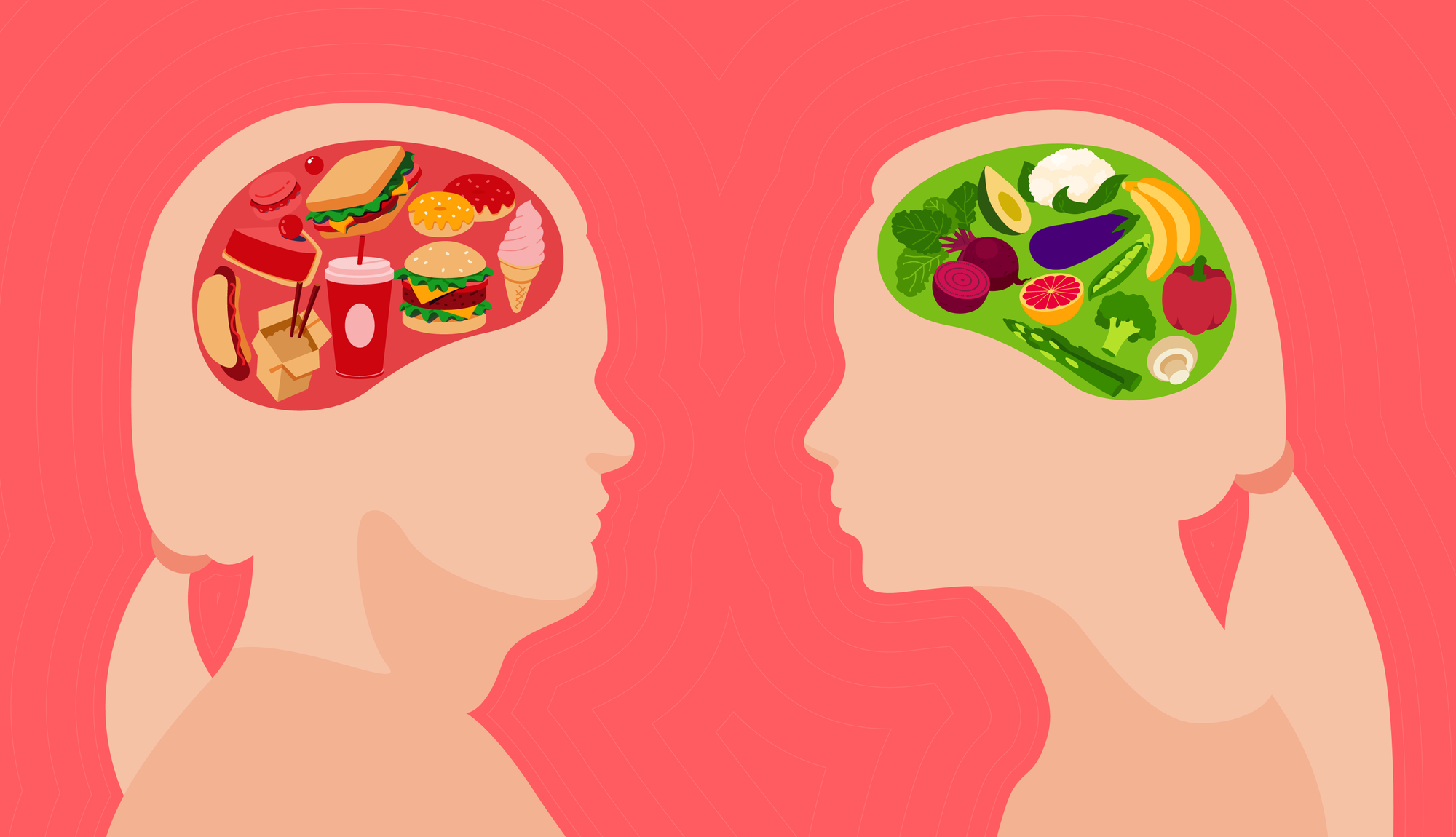
Can Poor Diet Affect Mental Health?
Introduction
Mental health is influenced by many factors, including genetics, lifestyle, environment, and physical health. However, one important factor that is often overlooked is nutrition. The food we eat not only fuels our bodies but also directly impacts brain function, mood, and emotional well-being.
Research continues to show a strong connection between diet and mental health. A poor diet lacking essential nutrients may contribute to symptoms of anxiety, depression, fatigue, poor concentration, and other mental health challenges. Understanding this relationship can help individuals make healthier choices that support both physical and emotional wellness.
The Link Between Diet and Mental Health
The brain requires a constant supply of nutrients to function properly. Just like other organs, the brain depends on vitamins, minerals, healthy fats, proteins, and carbohydrates to regulate mood, memory, and cognitive performance.
When the body is deprived of these nutrients or regularly consumes unhealthy foods, brain function may be affected. This can lead to changes in mood, energy levels, and overall mental health.
Experts often refer to this connection as the "gut-brain axis," which describes the communication network between the digestive system and the brain.
How Poor Diet Can Affect Mental Health
1. Increased Risk of Depression
Several studies have linked highly processed foods, sugary snacks, and unhealthy fats with a higher risk of depression.
A diet lacking fruits, vegetables, whole grains, and lean proteins may reduce the availability of nutrients that support the production of mood-regulating neurotransmitters such as serotonin and dopamine.
Common dietary factors associated with depression include:
- Excessive sugar intake
- Processed foods
- Refined carbohydrates
- Nutrient deficiencies
- High consumption of fast food
2. Higher Levels of Anxiety
Foods high in sugar and caffeine can cause fluctuations in blood sugar levels, leading to symptoms such as:
- Nervousness
- Restlessness
- Irritability
- Increased anxiety
- Difficulty concentrating
Poor nutrition may also affect stress hormone regulation, making it more difficult for the body to cope with everyday challenges.
3. Mood Swings and Irritability
Skipping meals or consuming foods with little nutritional value can result in unstable blood sugar levels. These fluctuations may cause:
- Sudden mood changes
- Fatigue
- Irritability
- Difficulty managing emotions
Balanced meals help maintain steady energy levels and emotional stability throughout the day.
4. Reduced Cognitive Function
The brain needs essential nutrients to maintain memory, focus, and concentration. Poor dietary habits may contribute to:
- Brain fog
- Difficulty concentrating
- Poor memory
- Reduced productivity
- Mental fatigue
Nutrients such as omega-3 fatty acids, B vitamins, iron, and antioxidants play a vital role in cognitive health.
5. Sleep Disturbances
Diet and sleep are closely connected. Consuming excessive sugar, processed foods, or caffeine may interfere with sleep quality.
Poor sleep can further worsen mental health symptoms, creating a cycle of fatigue, stress, and emotional difficulties.
Nutrients That Support Mental Health
Omega-3 Fatty Acids
Omega-3 fats support brain function and may help reduce symptoms of depression and anxiety.
Sources include:
- Fatty fish
- Walnuts
- Chia seeds
- Flaxseeds
B Vitamins
B vitamins play a critical role in neurotransmitter production and brain health.
Sources include:
- Whole grains
- Eggs
- Dairy products
- Leafy green vegetables
Vitamin D
Low vitamin D levels have been associated with mood disorders and depression.
Sources include:
- Sunlight exposure
- Fortified foods
- Fatty fish
- Supplements when recommended by a healthcare provider
Magnesium
Magnesium helps regulate stress responses and nervous system function.
Sources include:
- Nuts
- Seeds
- Legumes
- Dark leafy greens
Antioxidants
Antioxidants help protect brain cells from oxidative stress and inflammation.
Sources include:
- Berries
- Fruits
- Vegetables
- Green tea
The Role of Gut Health in Mental Well-Being
The digestive system contains trillions of bacteria that influence brain function and emotional health. A healthy gut microbiome may help support:
- Better mood regulation
- Reduced inflammation
- Improved stress management
- Enhanced cognitive function
Foods that promote gut health include:
- Yogurt
- Kefir
- Fermented foods
- Fruits
- Vegetables
- Whole grains
Tips for Improving Mental Health Through Nutrition
To support emotional well-being and brain health:
- Eat a Balanced Diet: Include a variety of nutrient-rich foods from all food groups.
- Reduce Processed Foods: Limit foods high in sugar, salt, and unhealthy fats.
- Stay Hydrated: Even mild dehydration can affect mood and concentration.
- Eat Regular Meals: Avoid skipping meals to maintain stable blood sugar levels.
- Include Healthy Fats: Add sources of omega-3 fatty acids to your diet regularly.
- Prioritize Fruits and Vegetables: Aim for a colorful variety of produce every day.
When to Seek Professional Help
While improving nutrition can positively impact mental health, diet alone may not be enough to treat serious mental health conditions.
If you experience persistent symptoms such as:
- Depression
- Anxiety
- Panic attacks
- Severe mood changes
- Sleep disturbances
- Difficulty functioning in daily life
it is important to seek support from a qualified mental health professional.
A psychiatrist, psychologist, or mental health specialist can provide a comprehensive evaluation and personalized treatment plan.

Dr. Amisha Vashisht
MBBS, DNB Psychiatry
Ex. VIMHANS Hospital, Delhi
10+
Years Exp.
5K+
Patients
15+
Conditions